Rising Middle East War Tension: Causes, Global Impact, and What It Means for the World
Rising Middle East War Tension: Causes, Global Impact, and What It Means for the Worl

The Middle East has long been one of the most sensitive and strategically important regions in the world. In recent months, tensions in the Middle East have increased significantly, raising concerns among governments, analysts, and ordinary people around the globe. The possibility of a wider conflict has made this issue one of the most discussed topics in international politics and global news.
This article explores the current Middle East war tensions, the historical background behind these conflicts, the countries involved, and the potential impact on the global economy and international stability.
Historical Background of Middle East Conflicts
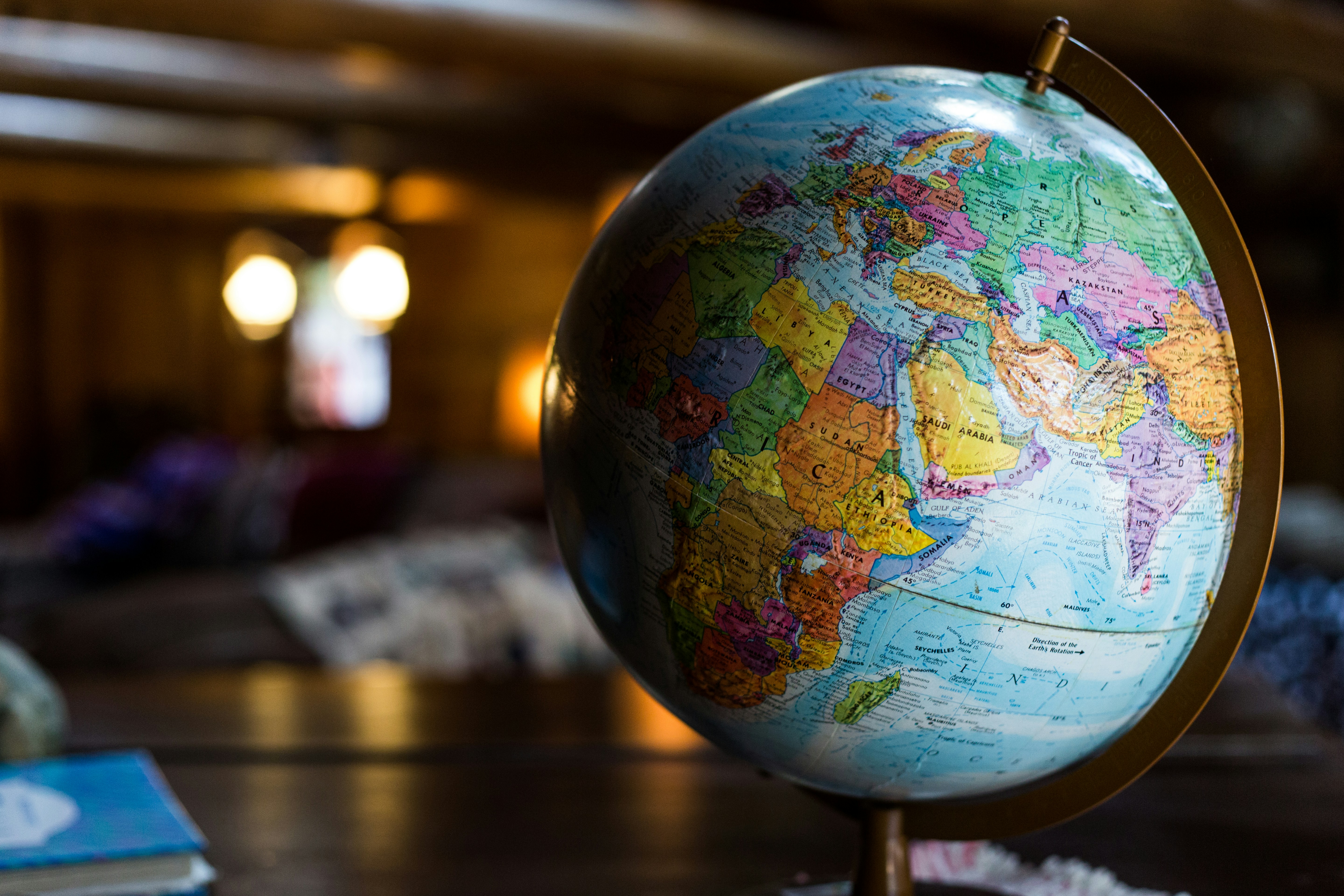
To understand the current tensions in the Middle East, it is important to look at the region’s complex history. The Middle East has experienced political instability, territorial disputes, religious divisions, and geopolitical rivalries for decades.
Many of the modern conflicts in the region trace their roots back to the early twentieth century when colonial powers divided territories after the fall of the Ottoman Empire. These divisions often ignored ethnic, tribal, and religious boundaries, creating tensions that continue today.
Several major conflicts have shaped the region, including the Arab-Israeli wars, the Iran-Iraq war, the Gulf wars, and the Syrian civil war. These conflicts have influenced alliances and rivalries among countries in the region.
Key Countries Involved in the Current Tensions

One of the major reasons the Middle East remains volatile is the involvement of several powerful regional and global players. Iran is a key actor in many of the region’s conflicts. The country has significant influence in parts of the Middle East through political alliances and support for various groups.
Israel is another central player in Middle Eastern geopolitics. Security concerns and long-standing conflicts with neighboring groups and countries have kept the nation in a constant state of vigilance.
Other countries such as Saudi Arabia, Turkey, and the United Arab Emirates also play important roles in shaping the political and military balance of the region.
Rising Military Tensions
In recent months, the Middle East has seen an increase in military activities, including missile attacks, drone strikes, and heightened military alerts. These developments have raised fears that a localized conflict could escalate into a larger regional war.
Military exercises, troop deployments, and increased defense spending have been reported across several countries. Governments are closely monitoring the situation and preparing for possible escalation.
Impact on Global Oil Markets

One of the biggest global concerns regarding Middle East tensions is the impact on oil prices. The Middle East produces a large percentage of the world's oil supply, and any disruption in the region can significantly affect global energy markets.
When tensions rise, oil prices often increase due to fears of supply disruptions. This can have a ripple effect on global economies, increasing transportation costs, inflation, and the price of goods and services.
Humanitarian Concerns

Beyond political and economic issues, rising tensions in the Middle East also create serious humanitarian concerns. Conflicts often lead to displacement of civilians, destruction of infrastructure, and shortages of essential resources such as food, water, and medical supplies.
Humanitarian organizations frequently face challenges delivering aid to affected areas due to security risks and damaged infrastructure.
Role of Diplomacy and International Organizations
Diplomacy plays a critical role in preventing conflicts from escalating into full-scale wars. International organizations and mediators often work to bring conflicting parties to the negotiating table.
Peace talks, ceasefire agreements, and diplomatic pressure are common tools used to manage tensions. The United Nations and other international bodies often attempt to facilitate dialogue and reduce hostilities.
Global Security Implications
The Middle East is strategically important for global security. Any major conflict in the region could have far-reaching consequences beyond its borders.
Escalating tensions could affect international trade routes, energy supplies, and global financial markets. Countries around the world closely monitor developments in the region because instability could trigger broader geopolitical shifts.
Conclusion
The current war tensions in the Middle East highlight the fragile balance of power in one of the world’s most critical regions. Historical disputes, geopolitical rivalries, and security concerns continue to shape the political landscape.
While the situation remains uncertain, the importance of diplomacy and peaceful dialogue cannot be ignored. Long-term stability in the region will depend on cooperation between nations and efforts to resolve conflicts through negotiation rather than confrontation.


Comments
Post a Comment